
Losing a beloved pet can leave a quiet space in your home and in your heart. For many pet parents, saying goodbye is not simply about losing an animal—it is about losing a companion who was part of the family and part of everyday life. During times of grief, many people find comfort in the idea of the Rainbow Bridge . The Rainbow Bridge has become one of the most recognizable symbols associated with pet loss, remembrance, and the hope of being reunited with a beloved companion someday. For families creating a pet memorial, understanding the meaning behind the Rainbow Bridge can offer another meaningful way to honor a pet's life and the bond you shared.

When someone loses a beloved pet, it can be difficult to know what to say. You may want to comfort your friend but worry about saying the wrong thing. You might wonder whether you should bring up their pet, give them space, or simply be there and listen. Pet loss can be deeply emotional because pets often become part of our everyday lives and families. Their absence can change routines, fill a home with silence, and leave behind countless reminders of the companionship they provided. If someone you care about is grieving a pet, you do not need to have the perfect words. Compassion, patience, and simply acknowledging their loss can mean a great deal.
The anniversary of a pet's passing can bring emotions back in unexpected ways. Even after months or years have passed, a familiar date can remind you of the companionship, routines, and unconditional love you shared. For many pet owners, this day can be difficult. For others, it becomes an opportunity to celebrate a pet's life and reflect on the memories they left behind. There is no right or wrong way to mark the anniversary. Some families prefer a quiet moment at home, while others find comfort in creating a special memorial or gathering with people who knew and loved their pet. At Bonnie's Pet Cremation & Funeral Services in Houston , we understand that the bond between a pet and their family can continue long after their passing. Here are some meaningful ways to honor your companion on their anniversary.

Losing a beloved pet can leave an emptiness that is difficult to put into words. For many families, pets are not simply animals—they are companions, sources of comfort, and cherished members of the household. When the time comes to say goodbye, faith and spirituality can provide a meaningful way to process the loss and honor the bond that was shared. There is no single way to approach a pet's passing. Some families turn to religious traditions, while others find comfort in personal spiritual beliefs, nature, memories, or simple moments of reflection. Whatever your beliefs may be, a farewell ceremony can create space to acknowledge the loss and celebrate a pet's life. At Bonnie's Pet Cremation & Funeral Services in Houston , we understand that every family approaches pet loss differently. A meaningful farewell should reflect what feels right for you and your family.
The first few weeks after losing a beloved pet can feel especially difficult. Your home may suddenly feel quieter, daily routines may change, and ordinary things can bring unexpected memories of your companion. Grief doesn't follow a schedule, and there is no "right" way to feel after losing a pet. The first 30 days can be a time to slow down, care for yourself, and find meaningful ways to remember the life you shared. At Bonnie's Pet Cremation & Funeral Services , we understand how deeply families can grieve the loss of a beloved pet. We are honored to provide compassionate pet cremation and aftercare services for families in Houston during this difficult time.
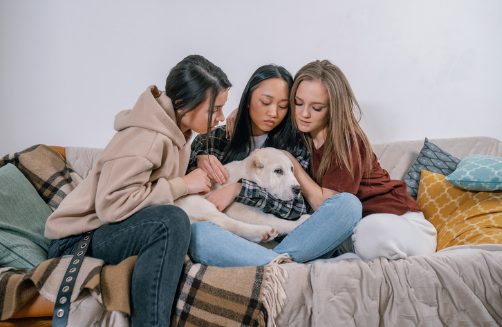
Losing a beloved pet is one of the most difficult experiences a family can face. While grief is natural, many pet owners feel alone in their sorrow. Support groups provide a safe space to share stories, express emotions, and connect with others who truly understand.
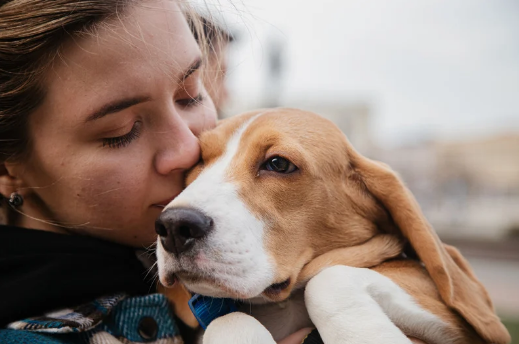
Losing a beloved pet can be one of the most painful experiences a person can go through. For many families, a pet is not simply an animal—they are a companion, a source of comfort, and an important part of everyday life. The grief that follows pet loss can feel overwhelming, and that's completely understandable. The emotional bond between people and their pets is built through years of shared routines, affection, memories, and unconditional companionship. At Bonnie's Pet Cremation & Funeral Services , we understand how deeply the loss of a beloved companion can affect a family. We are here to provide compassionate care and respectful pet cremation services during this difficult time.

Our pets leave behind more than ashes or physical keepsakes. They leave behind thousands of memories—photos, videos, funny moments, favorite places, and stories that become part of a family's history. Today, technology gives pet owners new ways to preserve and share those memories. Digital memorials allow families to create an online tribute where they can celebrate a beloved pet's life, share memories with friends and family, and keep their companion's story alive for years to come. At Bonnie's Pet Cremation & Funeral Services , we understand that every pet holds a special place in the family. A digital memorial can be a beautiful addition to traditional keepsakes and pet cremation services.

Pets have a special way of becoming part of our everyday lives. They greet us when we come home, stay beside us during difficult days, and bring joy to ordinary moments. For many people, a pet is much more than an animal—they are a trusted companion, a source of comfort, and a beloved member of the family. The bond between people and their pets can have a meaningful impact on emotional well-being. When a beloved companion passes away, that bond can make the loss especially difficult. At Bonnie's Pet Cremation & Funeral Services , we understand the importance of honoring that connection and providing compassionate support when families say goodbye.
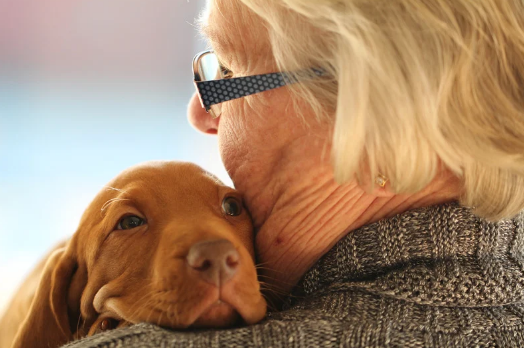
For many older adults, a pet is much more than a companion—they are a loyal friend, a source of daily comfort, and an important part of everyday life. Pets provide unconditional love, emotional support, and a sense of purpose, especially for seniors who may live alone or have limited mobility. When that cherished companion passes away, the grief can be profound. At Bonnie's Pet Cremation & Funeral Services , we understand that saying goodbye to a beloved pet is never easy. We are committed to supporting families of all ages with compassionate pet cremation services and respectful memorial options that honor the special bond they shared with their faithful companion.